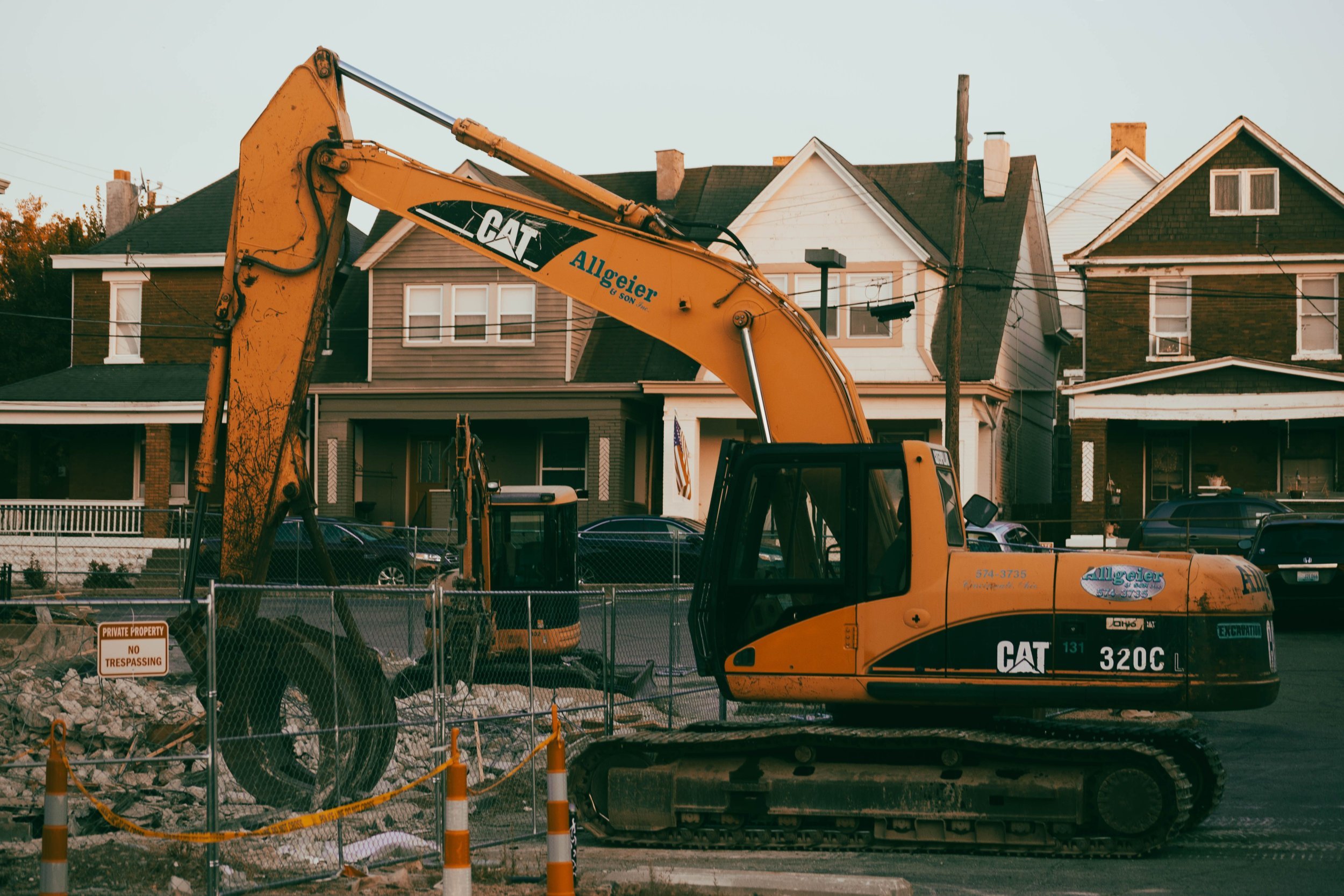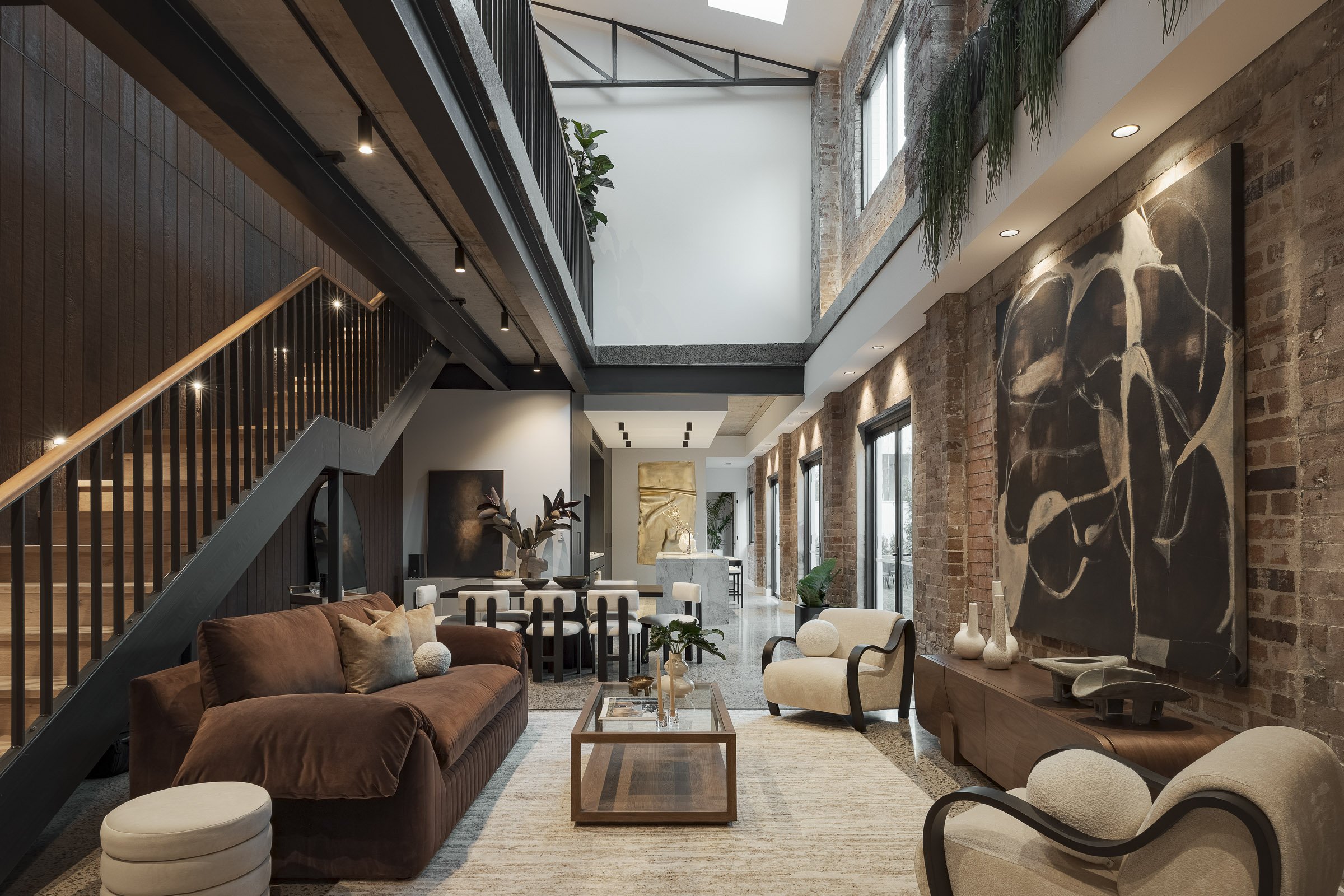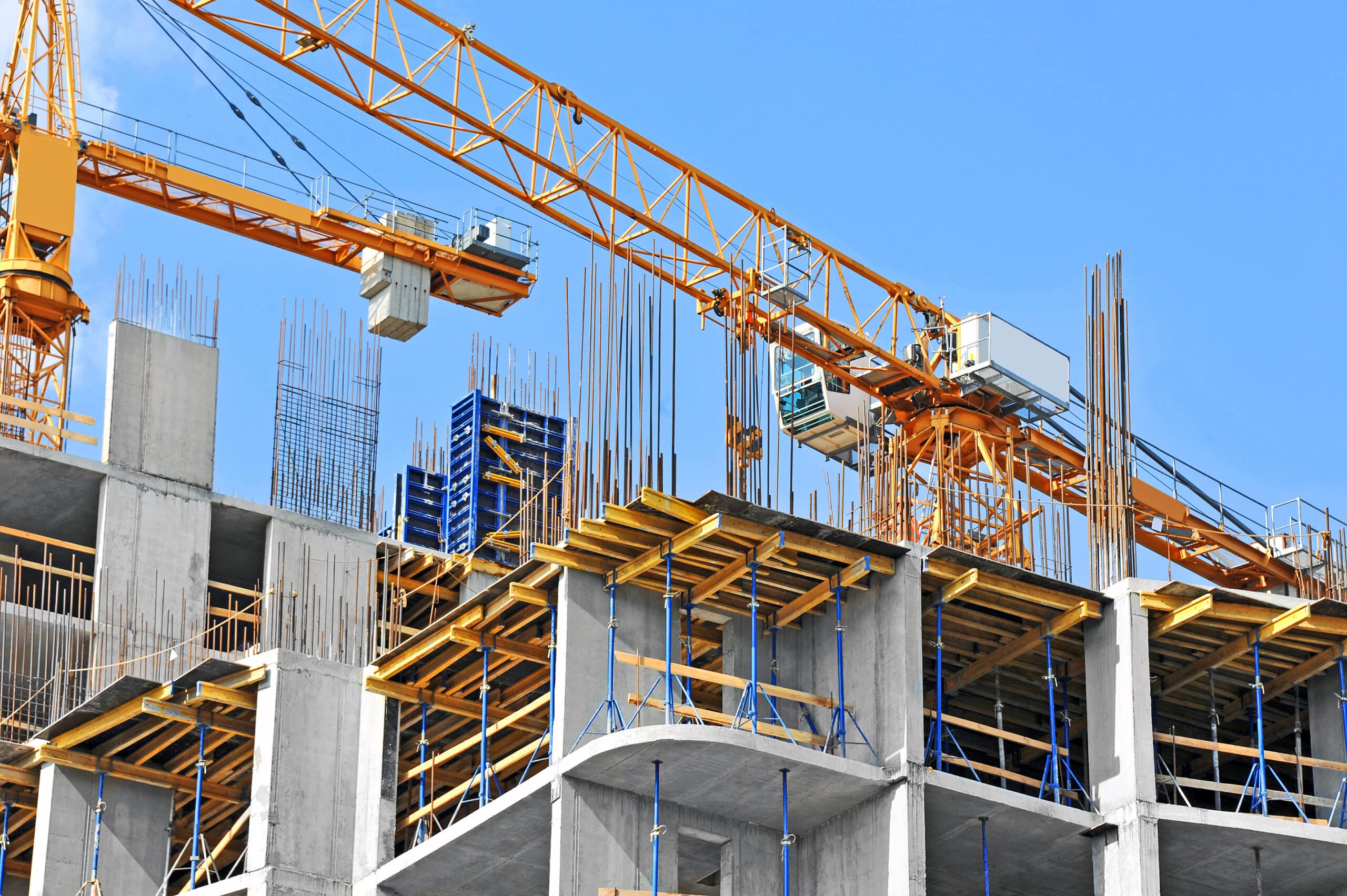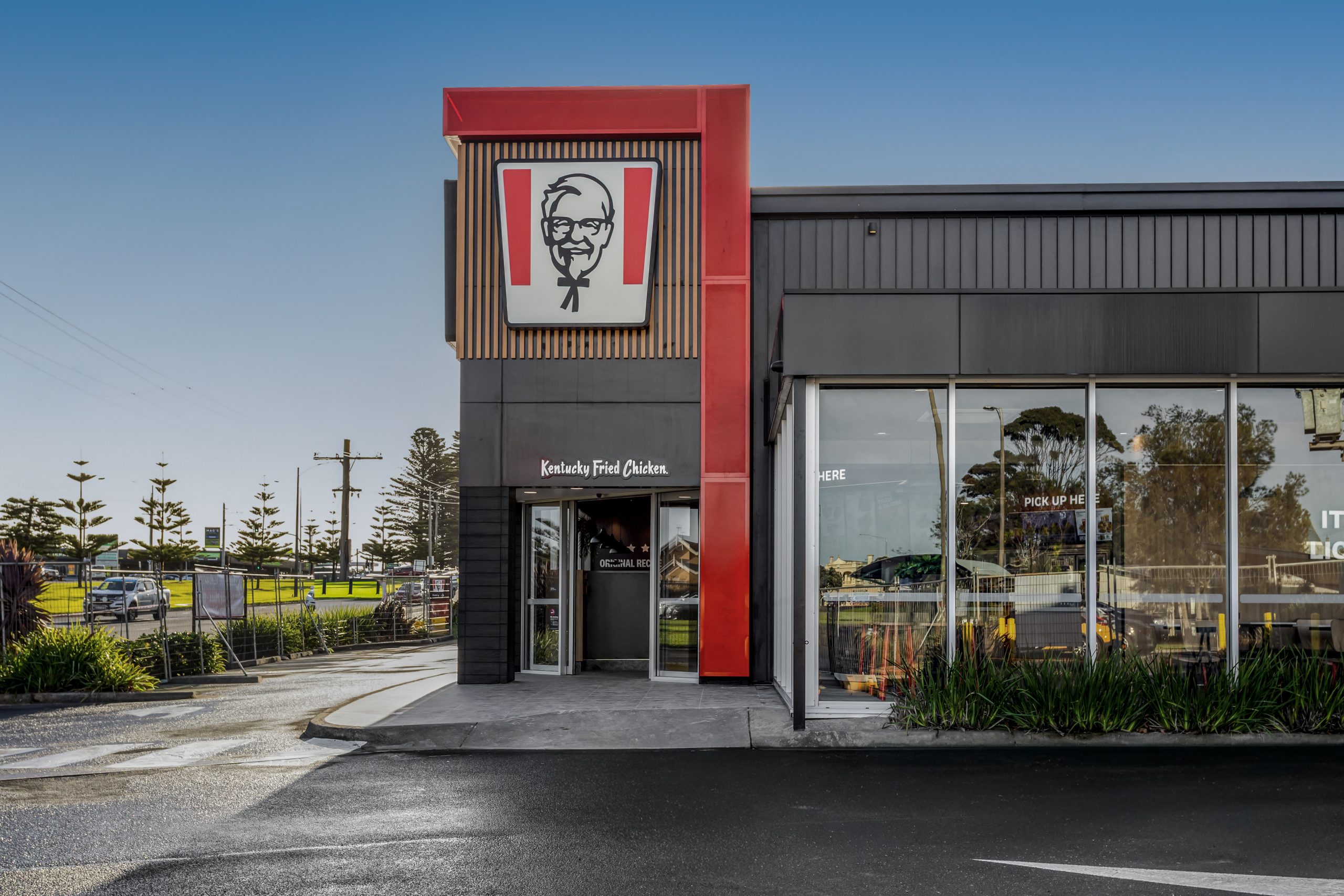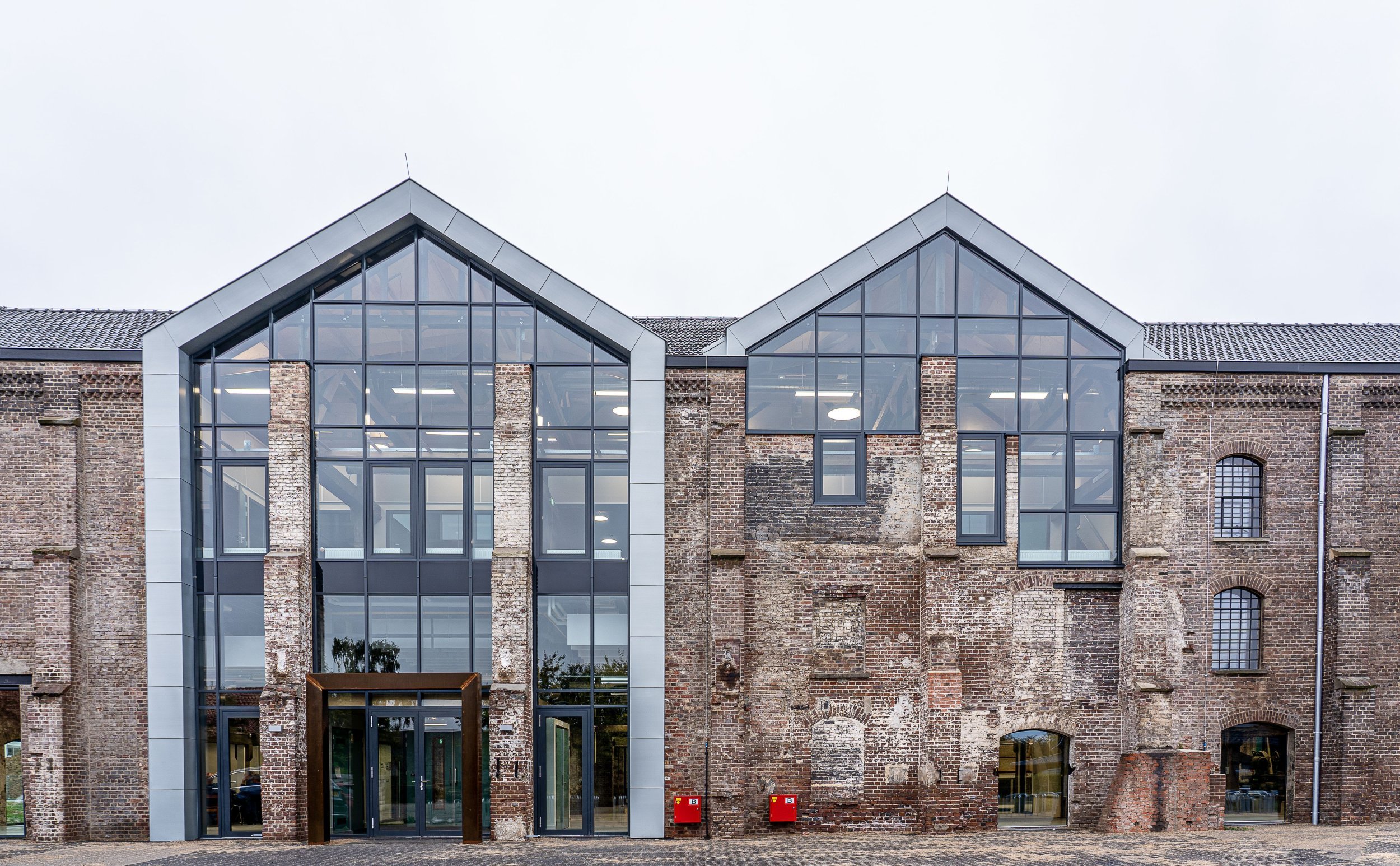
Something significant is happening in central Geelong, and the buildings tell the story before the statistics do. Across the city centre, older commercial and industrial stock is being reimagined rather than demolished: former stores becoming hospitality, mid-century offices becoming apartments, industrial sheds becoming workspace with character no new build could buy. This is adaptive reuse, and in Geelong it is arriving at precisely the moment the city is repositioning itself around a wave of public investment. For investors and developers, the alignment of those two forces is the opportunity.
This article looks at why adaptive reuse suits the current Geelong moment, what the revitalisation actually involves, and how to approach these projects so the existing building becomes an asset rather than a trap.
A city being deliberately remade
The scale of investment in central Geelong is not speculative; it is committed and visible. The Geelong Authority’s reporting points to more than 1.4 billion dollars of public facilities delivered, with hundreds of millions more under construction and a further substantial pipeline of approved works. At the centre sits the Nyaal Banyul Geelong Convention and Event Centre — a 450 million dollar venue and the centrepiece of the 676 million dollar Geelong City Deal — which officially opened in July 2026 and brings with it a 1,000-seat convention hall, exhibition spaces and the city’s largest hotel. Around it, the Central Geelong Framework Plan sets a thirty-year vision, including a target of drawing far more residents into the city centre over the coming decades.
Public investment of this kind does something specific to a property market: it raises the floor. It signals long-term confidence, draws visitors and tenants, and lifts the value of well-located assets in the surrounding precinct. For an investor, the question becomes how to participate in that uplift — and adaptive reuse is one of the most efficient answers.
Why adaptive reuse fits the moment
The logic of adaptive reuse is that the most valuable thing about an older building is that it already exists. Its structure, its embodied carbon, its character and frequently its location in an established part of the city are all assets that a greenfield project must create from nothing. In a revitalising city centre, that existing footprint is often in exactly the place demand is concentrating.
There is a ‘rise’ logic to it as well — the strategy of taking an underused, low-yielding asset and lifting it into a higher and better use that matches where the city is heading. A tired commercial building in a precinct about to benefit from major public investment is not just a renovation candidate; it is a repositioning opportunity. The building that was a marginal industrial holding becomes, with the right intervention, boutique commercial or residential space serving a market that the revitalisation is actively creating.
The sustainability dimension reinforces the case. Retaining and upgrading an existing structure avoids the carbon cost of demolition and rebuilding, an argument that increasingly carries weight with tenants, funders and planning authorities alike.
The discipline these projects demand
Adaptive reuse rewards ambition only when it is matched by rigour. The defining risk of every reuse project is the same: the existing building constrains what is possible, and those constraints must be understood before a vision is committed to paper. The structure has to be assessed honestly — frame, footings, capacity for new loads. Hazardous materials, common in older stock, have to be identified early. The building envelope almost always needs work to meet contemporary weatherproofing and thermal standards. And any change of use will trigger compliance upgrades, from fire safety and accessibility to the tighter commercial energy efficiency requirements that now apply under the National Construction Code 2025, adopted in Victoria from 1 May 2026.
Where a heritage overlay applies — and parts of central Geelong carry significant heritage value — the work demands a further layer of care: resolving the dialogue between an original fabric that must be respected and a new use that must be made to work within it. This is craft as much as construction, and it is where an experienced builder’s judgement is decisive. Our Geelong Bottleworks heritage conversion is one example of how original character and contemporary function can be reconciled.
How to approach a reuse project
The pattern that separates successful adaptive reuse from expensive disappointment is consistent. It begins with the building, not the brief: a thorough existing-conditions assessment that establishes what the structure can actually carry and conceal. It brings construction expertise in early, so the genuine scope and cost are understood before a design is locked to an unviable budget.
And it treats compliance and heritage obligations as design inputs from the start, not as obstacles discovered at permit stage — particularly relevant now that Victoria’s building regulator carries ten-year defect powers. Handled this way, the existing building’s quirks become the source of the finished project’s value. Our broader commercial construction work is built around exactly this sequence.
Positioned for the uplift
Geelong’s revitalisation is not a forecast; it is under construction. The investors who benefit most will be those who move while the repositioning is underway, and who do so with a clear-eyed understanding of the buildings they are working with. Adaptive reuse, approached with discipline, is how an undervalued asset is lifted to meet a market the city is actively building.
If you are evaluating an adaptive reuse opportunity in central Geelong and want the building assessed properly before you commit, discuss your project with our team.
Frequently asked questions
What is adaptive reuse in construction?
Adaptive reuse is the practice of repurposing an existing building for a new use rather than demolishing and rebuilding — for example, converting a former warehouse into commercial space or offices into apartments. It retains the structure, character and embodied carbon of the original building while adapting it to contemporary needs.
Why is adaptive reuse attractive in Geelong right now?
Central Geelong is undergoing major revitalisation backed by more than 1.4 billion dollars of public facilities and the Nyaal Banyul convention centre, which opened in July 2026. This investment lifts the value of well-located assets in the surrounding precinct, and adaptive reuse is an efficient way for investors to participate in that uplift.
What are the main risks in an adaptive reuse project?
The principal risks are the capacity of the existing structure, hidden defects and hazardous materials in older stock, an envelope that does not meet current standards, and the compliance upgrades triggered by a change of use. Heritage-listed buildings add a further layer of care. Each is manageable when assessed early.
Do adaptive reuse projects have to meet current building codes?
Yes. A change of use generally triggers an obligation to meet current standards for the new use, including fire safety, accessibility and energy efficiency. Commercial projects must now address the tighter energy efficiency requirements of the National Construction Code 2025, adopted in Victoria from 1 May 2026.